

Comparing Manual vs. Automatic Conveyor Belt Vulcanizing Presses: Which is Right for Your Operation?
Comparing Manual vs. Automatic Conveyor Belt Vulcanizing Presses Introduction to Conveyor Belt Vulcanizing Presses Vulcanizing presses are essential in the rubber industry, serving a critical role in the production of conveyor belts and other rubber products. The process of vulcanization involves curing rubber with heat and pressure, enhancing its durability and elasticity. This article delves int
Apr 29,2025
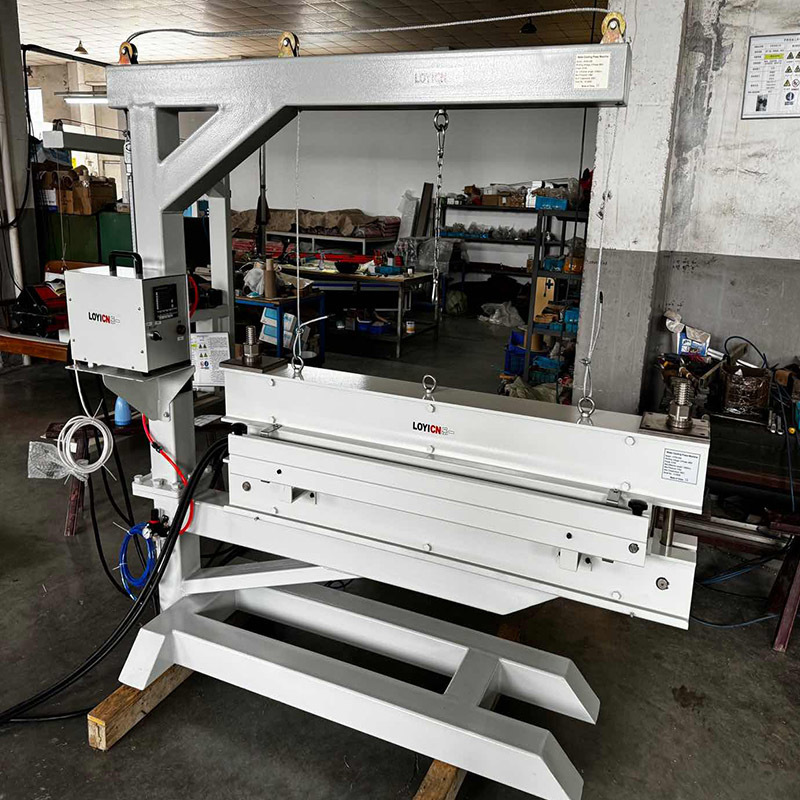
Comparing Manual vs. Automatic Conveyor Belt Vulcanizing Presses
Introduction to Conveyor Belt Vulcanizing Presses
Vulcanizing presses are essential in the rubber industry, serving a critical role in the production of conveyor belts and other rubber products. The process of vulcanization involves curing rubber with heat and pressure, enhancing its durability and elasticity. This article delves into two primary types of conveyor belt vulcanizing presses: manual and automatic. By comparing their features, benefits, and limitations, we aim to guide manufacturers in selecting the best option for their specific needs.
Understanding the Vulcanization Process
Before diving into the comparison, it’s vital to understand the fundamentals of the vulcanization process. During vulcanization, rubber is treated with sulfur and heat, causing a chemical reaction that cross-links the rubber molecules. This process improves the properties of rubber, making it suitable for industrial applications. The vulcanizing press applies heat and pressure, ensuring uniform curing across the material.
Types of Conveyor Belt Vulcanizing Presses
Manual Conveyor Belt Vulcanizing Presses
Manual conveyor belt vulcanizing presses require human intervention to operate. Operators control the pressure and temperature settings, monitor the vulcanization process, and make adjustments as necessary.
Features of Manual Presses
- **Human Operated**: Operators manually set up and monitor the curing process.
- **Cost-Effective**: Generally, manual presses are less expensive upfront compared to their automatic counterparts.
- **Simplicity**: They have a straightforward design, making them easy to operate for small-scale operations.
Advantages of Manual Presses
1. **Lower Initial Investment**: The purchase price is significantly lower than automatic options.
2. **Flexibility**: Operators can easily adjust settings based on the specific requirements of each batch.
3. **Reduced Maintenance Costs**: Fewer mechanical components mean less potential for breakdowns and lower maintenance expenses.
Limitations of Manual Presses
1. **Labor-Intensive**: Requires a skilled operator for optimal results.
2. **Inconsistent Quality**: Variability in operator performance can lead to inconsistencies in product quality.
3. **Longer Production Times**: Manual intervention can slow down the overall production process.
Automatic Conveyor Belt Vulcanizing Presses
Automatic conveyor belt vulcanizing presses utilize advanced technology to automate the vulcanization process. These machines are equipped with sensors, controllers, and software designed to manage the curing process with minimal human intervention.
Features of Automatic Presses
- **Computer-Controlled**: Automated systems manage temperature, pressure, and time.
- **High Efficiency**: Designed for high-volume production, reducing cycle times significantly.
- **Advanced Features**: Often includes monitoring systems that provide real-time data and alerts.
Advantages of Automatic Presses
1. **Increased Productivity**: Automation allows for faster cycle times and more consistent output.
2. **Consistency and Quality Control**: Precise control over processes results in uniform product quality.
3. **Reduced Labor Costs**: Fewer operators are needed, allowing companies to allocate human resources elsewhere.
Limitations of Automatic Presses
1. **Higher Initial Investment**: The upfront cost is considerably higher than that of manual presses.
2. **Complexity**: More complex systems may require specialized training for operators.
3. **Maintenance and Downtime**: Advanced machinery may lead to longer downtimes for repairs and maintenance.
Key Factors to Consider When Choosing Between Manual and Automatic Presses
When deciding between manual and automatic conveyor belt vulcanizing presses, several factors should be evaluated:
1. Production Volume
- **Low to Moderate Volume**: Manual presses may suffice for small businesses or those with lower production needs.
- **High Volume**: Automatic presses excel in high-demand environments, providing efficiency and speed.
2. Budget Constraints
- **Tight Budgets**: Manual presses are more affordable and cost-effective for those lacking capital.
- **Flexible Budgets**: Businesses willing to invest in automation will benefit from the long-term efficiencies of automatic presses.
3. Quality Control Needs
- **Variable Quality Requirements**: If product consistency is crucial, automatic presses offer superior control.
- **Less Critical Quality Standards**: Manual presses may be adequate for products where minor variations are acceptable.
4. Labor Availability and Expertise
- **Limited Skilled Labor**: Automatic presses require less skilled labor and can improve productivity in teams with limited expertise.
- **Access to Skilled Operators**: If skilled operators are available, manual presses can still be very effective.
Common Applications of Conveyor Belt Vulcanizing Presses
Understanding the applications can guide manufacturers in choosing the right press.
1. Mining and Quarrying
Conveyor belts are essential in transporting materials, making vulcanizing presses critical for maintaining operational efficiency.
2. Food Processing
Food-grade conveyor belts require precise vulcanization for safety and quality, often leaning towards automatic presses for consistency.
3. Manufacturing and Assembly Lines
High-volume production environments typically benefit from the speed and reliability of automatic presses.
4. Recycling Operations
In recycling, effective vulcanization is necessary for remanufacturing, where both manual and automatic presses can play a role.
Cost Analysis of Manual vs. Automatic Presses
A thorough cost analysis encompasses not only the purchase price but also operational expenses, maintenance costs, and labor considerations.
Initial Purchase Price
Manual presses generally range from $20,000 to $50,000, while automatic presses can exceed $100,000.
Operational Costs
- **Manual Presses**: More labor-intensive, leading to higher ongoing labor costs.
- **Automatic Presses**: Higher energy consumption may be offset by lower labor costs.
Maintenance Expenses
- **Manual Systems**: Simpler machinery often incurs lower maintenance costs.
- **Automated Systems**: Complexity can lead to higher repair costs and potential downtime.
FAQs About Conveyor Belt Vulcanizing Presses
1. What is the primary difference between manual and automatic vulcanizing presses?
The main difference lies in control and operation; manual presses require human intervention, while automatic presses utilize technology for efficient operation.
2. How do I determine the right press for my production needs?
Assess your production volume, budget, and quality requirements to decide between the two types of presses.
3. Are automatic presses worth the higher investment?
For high-volume production and consistency, automatic presses can provide long-term cost savings and efficiency.
4. Can manual presses still be effective in modern manufacturing?
Yes, manual presses can effectively meet the needs of lower volume operations or where flexibility is crucial.
5. What maintenance is required for these presses?
Regular maintenance includes checking hydraulic systems, monitoring electrical components, and ensuring optimal heating elements.
Conclusion
When choosing between manual and automatic conveyor belt vulcanizing presses, manufacturers must weigh the advantages and disadvantages of each option. Manual presses offer cost-effectiveness and flexibility, making them suitable for smaller operations. In contrast, automatic presses deliver enhanced productivity and consistent quality, ideal for high-volume production environments. Ultimately, the decision hinges on a thorough understanding of your operational needs, budget, and growth strategies. By carefully considering these factors, you can select the press that will best serve your business, ensuring efficient and high-quality rubber processing.
Related Blog

Meet LOYICN Sales Team Members: Your Reliable Global Business Partners
Meet LOYICN Sales Team Members
Portable On-Site Conveyor Belt Splicing Machine for Sale
Portable On-Site Conveyor Belt Splicing Machine for Sale
Contact Us
E-mail :
sales@loyicn.com
Phone/WhatsApp:
+86-15089190217
Address:
2110, Building 2, 1st HaGongDa Road,TangJiaWan Town, GaoXin District, Zhuhai,Guangdong 519085