

Vulcanizing Machines: Essential Components and Their Crucial Functions in Rubber Processing
Vulcanizing Machines: Essential Components and Their Crucial Functions in Rubber Processing Table of Contents What is a Vulcanizing Machine? Importance of Vulcanizing Machines in Rubber Processing Key Components of Vulcanizing Machines Heating System Pressure System Control Panel Molds Hydraulic System Sa
May 17,2025
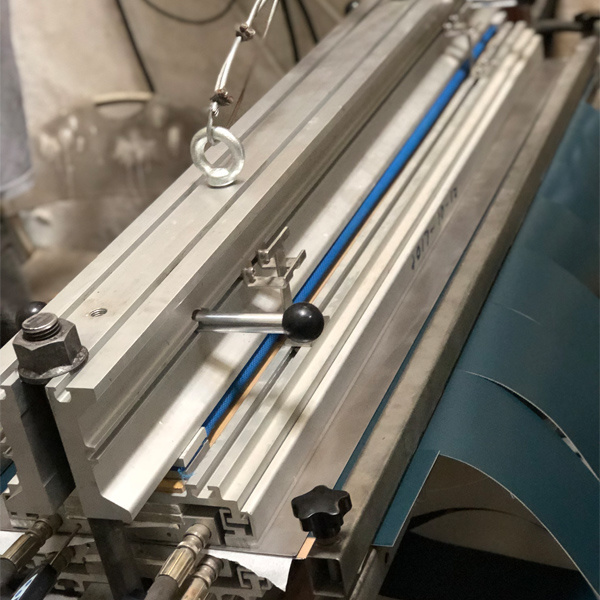
Vulcanizing Machines: Essential Components and Their Crucial Functions in Rubber Processing
Table of Contents
- What is a Vulcanizing Machine?
- Importance of Vulcanizing Machines in Rubber Processing
- Key Components of Vulcanizing Machines
- Functions of Vulcanizing Machines
- Choosing the Right Vulcanizing Machine for Your Needs
- Maintenance and Care for Vulcanizing Machines
- Common Misconceptions About Vulcanizing Machines
- Conclusion
What is a Vulcanizing Machine?
Vulcanizing machines are specialized equipment used in the rubber industry to improve the durability and elasticity of rubber products. The vulcanization process involves heating rubber with sulfur, which creates cross-links in the rubber's molecular structure, resulting in a more robust and heat-resistant material. These machines are essential for producing tires, seals, gaskets, and various other rubber components.
Importance of Vulcanizing Machines in Rubber Processing
The role of vulcanizing machines in rubber processing cannot be overstated. They ensure that the final products meet industry standards for strength, flexibility, and temperature resistance. Proper vulcanization leads to improved wear resistance, elongation, and tensile strength, which are critical for the longevity and performance of rubber products.
Moreover, these machines allow for mass production, significantly increasing operational efficiency and reducing costs. In an industry where quality and performance are paramount, vulcanizing machines provide the necessary technology to maintain high production standards.
Key Components of Vulcanizing Machines
Understanding the vital components of vulcanizing machines helps in appreciating how they function. Each part works together to ensure efficient and effective rubber processing.
Heating System
The heating system is fundamental to the vulcanization process. It typically consists of electric heaters or steam heating elements that raise the temperature of the rubber to the optimal level for sulfur cross-linking. The heating elements must be durable and efficient, ensuring even temperature distribution to avoid defects in the final product.
Pressure System
A pressure system applies the necessary force during the vulcanization process. This can be achieved through hydraulic or mechanical means, depending on the machine's design. The pressure ensures that the rubber is evenly distributed within the mold and that it maintains contact with the heating elements, facilitating uniform vulcanization.
Control Panel
The control panel is the operator's interface for managing the vulcanizing machine. It allows for precise adjustments to temperature, pressure, and time settings, ensuring that each batch of rubber is processed under optimal conditions. Modern control panels often feature digital displays and programmable settings for increased ease of use and efficiency.
Molds
Molds are crucial in determining the shape and dimensions of the final rubber products. They are typically made of steel or aluminum and designed to withstand the high temperatures and pressures involved in vulcanization. Choosing the right mold design is essential for achieving the desired product specifications.
Hydraulic System
The hydraulic system in a vulcanizing machine drives the pressure application. It utilizes hydraulic fluids to generate force, enabling the machine to achieve high-pressure levels necessary for effective vulcanization. A well-maintained hydraulic system is vital for the machine's longevity and reliability.
Safety Features
Safety features in vulcanizing machines are essential to protect operators and maintain operational integrity. These may include emergency stop buttons, pressure relief valves, and safety guards. Ensuring these features are functional is a crucial aspect of machine maintenance.
Functions of Vulcanizing Machines
The primary function of vulcanizing machines is to facilitate the vulcanization of rubber, but their role extends beyond this basic process.
1. **Enhancing Product Quality**: By providing precise temperature and pressure control, vulcanizing machines enhance the overall quality of rubber products, ensuring they meet industry standards.
2. **Increasing Production Efficiency**: These machines enable mass production, allowing manufacturers to produce large quantities of rubber goods in a shorter time frame.
3. **Creating Diverse Products**: Vulcanizing machines can be used to create a wide range of rubber products, from tires to seals, depending on the mold design and machine settings.
4. **Reducing Waste**: By ensuring that the vulcanization process is consistent and controlled, these machines help reduce material waste and increase yield.
5. **Improving Worker Safety**: With built-in safety features, modern vulcanizing machines help protect operators from potential hazards associated with the vulcanization process.
Choosing the Right Vulcanizing Machine for Your Needs
Selecting the appropriate vulcanizing machine is critical for any rubber processing operation. Key factors to consider include:
- **Production Capacity**: Determine the volume of rubber products you plan to manufacture, as this will influence the size and capacity of the vulcanizing machine you require.
- **Type of Rubber**: Different rubber formulations may require specific vulcanization settings. Ensure the machine can accommodate the types of rubber you intend to process.
- **Mold Compatibility**: Check that the vulcanizing machine can work with the molds you plan to use, as this will affect product quality and efficiency.
- **Budget**: Establish a budget for your vulcanizing machine investment and consider both upfront costs and long-term operational expenses.
- **Brand and Support**: Choose a reputable manufacturer that offers reliable customer support and maintenance services. This can significantly impact the longevity and performance of your machine.
Maintenance and Care for Vulcanizing Machines
Regular maintenance is essential to ensure that vulcanizing machines operate efficiently and safely. Here are some key maintenance tips:
1. **Routine Inspections**: Conduct regular inspections of the machine’s components, including the heating system, pressure system, and hydraulic system, to identify any potential issues before they escalate.
2. **Cleaning**: Keep the machine clean, particularly the molds, to prevent contamination of rubber products. Remove any residue or build-up that may affect performance.
3. **Lubrication**: Regularly lubricate moving parts within the hydraulic and mechanical systems to minimize wear and tear.
4. **Calibration**: Periodically calibrate the control panel settings to ensure accurate temperature and pressure readings during the vulcanization process.
5. **Training Operators**: Ensure that all operators are properly trained in machine operation and safety protocols to reduce the risk of accidents and improve efficiency.
Common Misconceptions About Vulcanizing Machines
Several misconceptions surround vulcanizing machines that can lead to misunderstandings in their usage and maintenance:
1. **“All Vulcanizing Machines Are the Same”**: In reality, vulcanizing machines come in various types and sizes, each designed for specific rubber processing applications.
2. **“Vulcanizing Is Just About Heat”**: While heat is a critical factor, proper pressure application and time are equally important in achieving effective vulcanization.
3. **“Maintenance Is Optional”**: Neglecting regular maintenance can lead to machine failure and decreased product quality, making it an essential aspect of operation.
4. **“Vulcanizing Machines Are Only for Large Operations”**: Small-scale operations can also benefit from vulcanizing machines, as there are compact models designed for lower production volumes.
5. **“Vulcanization Is a Quick Process”**: The vulcanization process requires careful timing and monitoring, and rushing it can lead to inferior product quality.
Conclusion
Vulcanizing machines play a pivotal role in the rubber processing industry, providing essential functions that enhance product quality, increase efficiency, and ensure safety. By understanding the key components and their functions, manufacturers can make informed decisions about their equipment needs and maintenance practices. Whether you are a seasoned professional in rubber processing or a newcomer to the industry, grasping the intricacies of vulcanizing machines will empower you to optimize your operations and produce high-quality rubber products.
Related Blog

Meet LOYICN Sales Team Members: Your Reliable Global Business Partners
Meet LOYICN Sales Team Members
Portable On-Site Conveyor Belt Splicing Machine for Sale
Portable On-Site Conveyor Belt Splicing Machine for Sale
Contact Us
E-mail :
sales@loyicn.com
Phone/WhatsApp:
+86-15089190217
Address:
2110, Building 2, 1st HaGongDa Road,TangJiaWan Town, GaoXin District, Zhuhai,Guangdong 519085