

Essential Safety Tips for Operating Conveyor Belt Vulcanizing Press Equipment: A Comprehensive Guide
Essential Safety Tips for Operating Conveyor Belt Vulcanizing Press Equipment Table of Contents 1. Understanding Conveyor Belt Vulcanizing Press Equipment 2. The Importance of Safety in Vulcanizing Operations 3. Pre-Operation Safety Checks 3.1 Inspecting the Equipment 3.2 Personal Protective Equipment (PPE) Requirements 4. Safe Operating Procedures 4.1 Starting the Vulcanizing Pres
Sep 26,2025
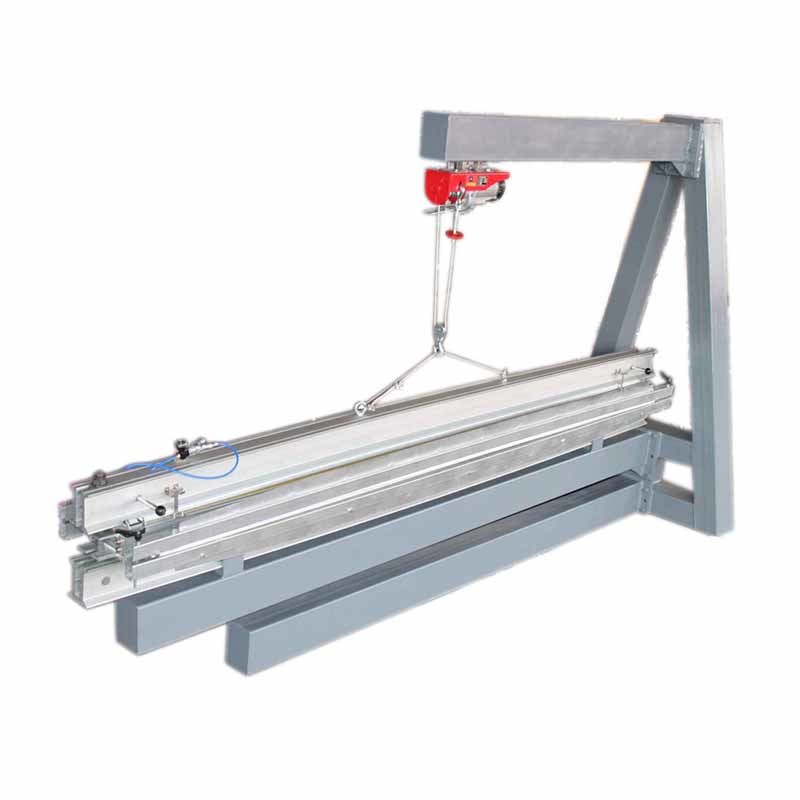
Essential Safety Tips for Operating Conveyor Belt Vulcanizing Press Equipment
Table of Contents
1. Understanding Conveyor Belt Vulcanizing Press Equipment
2. The Importance of Safety in Vulcanizing Operations
3. Pre-Operation Safety Checks
3.1 Inspecting the Equipment
3.2 Personal Protective Equipment (PPE) Requirements
4. Safe Operating Procedures
4.1 Starting the Vulcanizing Press
4.2 Monitoring the Process
5. Emergency Procedures and First Aid
6. Maintenance Tips for Safety and Efficiency
7. Training and Certification for Operators
8. Frequently Asked Questions (FAQs)
9. Conclusion
1. Understanding Conveyor Belt Vulcanizing Press Equipment
Conveyor belt vulcanizing press equipment plays a pivotal role in the rubber processing industry. It is designed to bond rubber components together through a controlled heating and cooling process. The equipment typically consists of a heated press, conveyor belts, and various controls to ensure precise temperature and pressure regulation. Understanding how this machinery operates is crucial for maintaining safety and efficiency.
2. The Importance of Safety in Vulcanizing Operations
Safety during vulcanizing operations cannot be overstated. The process involves high temperatures and pressures, which pose significant risks if not managed properly. Ensuring the safety of operators helps prevent injuries, reduces downtime, and promotes a culture of safety within the workplace. Implementing effective safety measures not only protects workers but also enhances overall productivity.
3. Pre-Operation Safety Checks
Before beginning any vulcanizing operation, operators must perform thorough pre-operation safety checks to identify potential hazards.
3.1 Inspecting the Equipment
Conduct a detailed inspection of the vulcanizing press equipment, focusing on:
- **Electrical connections:** Ensure all wires are intact and free from damage.
- **Hydraulic systems:** Check for leaks and proper fluid levels.
- **Heating elements:** Inspect for wear and functionality.
- **Safety guards:** Ensure that all safety guards are in place and secure.
These checks are crucial for identifying issues that could lead to accidents or equipment failure.
3.2 Personal Protective Equipment (PPE) Requirements
Operators must wear appropriate PPE to protect against potential hazards. This includes:
- **Heat-resistant gloves:** Essential for handling hot materials.
- **Safety goggles:** Protects the eyes from splashes and debris.
- **Steel-toed boots:** Reduces the risk of foot injuries.
- **Face shields:** Provides additional protection during high-temperature operations.
Ensuring that all operators are equipped with the necessary PPE is critical for maintaining safety standards on the floor.
4. Safe Operating Procedures
Establishing safe operating procedures ensures that all operators follow standardized methods to minimize risks.
4.1 Starting the Vulcanizing Press
To safely start the vulcanizing press:
1. **Check all safety features:** Ensure emergency stop buttons and other safety devices are functional.
2. **Review control settings:** Confirm that temperature and pressure settings are correct before starting.
3. **Communicate with the team:** Inform all personnel in the vicinity about the operation's commencement.
These steps help in creating a safe environment before initiating the vulcanizing process.
4.2 Monitoring the Process
Continuous monitoring during the vulcanizing process is critical. Operators should:
- **Keep an eye on temperature and pressure gauges:** Adjust settings as necessary to maintain optimal conditions.
- **Watch for abnormalities:** Look out for unusual noises or vibrations that may indicate equipment failure.
- **Communicate regularly:** Maintain open lines of communication with team members to quickly address any issues.
Prompt action can significantly reduce the risk of accidents during operation.
5. Emergency Procedures and First Aid
Having a well-defined emergency response plan is vital. Operators should be trained in:
- **Evacuation procedures:** Know the quickest and safest routes out of the facility.
- **Fire safety measures:** Understand how to use fire extinguishers and the location of emergency exits.
- **First aid protocols:** Familiarity with basic first aid can help in responding to minor injuries swiftly.
Regular drills and training sessions ensure that all employees are prepared for emergencies.
6. Maintenance Tips for Safety and Efficiency
Routine maintenance is key to safe and efficient operation of vulcanizing press equipment. Operators should:
- **Schedule regular inspections:** Conduct inspections at set intervals to catch wear and tear early.
- **Keep a maintenance log:** Document all maintenance activities to track the equipment's condition over time.
- **Replace worn parts promptly:** Timely replacement of any defective components can prevent potential hazards.
Implementing these practices helps maintain the longevity of equipment and ensures a safe working environment.
7. Training and Certification for Operators
Proper training and certification are essential for operators handling conveyor belt vulcanizing press equipment. Training programs should cover:
- **Operational procedures:** Detailed instructions on how to operate the equipment safely.
- **Hazard recognition:** Identifying potential hazards and how to mitigate them.
- **Emergency response training:** Knowing how to act in emergencies can save lives and reduce injuries.
Investing in comprehensive training programs enhances operator confidence and promotes a culture of safety within the organization.
8. Frequently Asked Questions (FAQs)
Q1: What is a conveyor belt vulcanizing press used for?
A: It is used to bond rubber materials together using heat and pressure, commonly utilized in the rubber manufacturing industry.
Q2: What are the primary hazards associated with vulcanizing presses?
A: The primary hazards include burns from hot surfaces, electrical hazards, and mechanical injuries from moving parts.
Q3: How often should safety checks be performed on the equipment?
A: Safety checks should be conducted before each shift and after any maintenance work to ensure operational safety.
Q4: What type of PPE should be used when operating a vulcanizing press?
A: Operators should wear heat-resistant gloves, safety goggles, steel-toed boots, and face shields.
Q5: How can I ensure that my team is adequately trained for operating the equipment?
A: Implement a structured training program that covers equipment operation, safety protocols, and emergency response procedures.
9. Conclusion
In conclusion, following safety tips for operating conveyor belt vulcanizing press equipment is essential for promoting a safe and productive work environment. By understanding the equipment, conducting pre-operation checks, adhering to safe operating procedures, and ensuring proper training, we can significantly reduce the risks associated with vulcanizing operations. Prioritizing safety not only protects operators and enhances productivity but also fosters a culture of responsibility within the workplace. Always remember, a safe workplace is a productive workplace.
PREVIOUS:
Related Blog

Meet LOYICN Sales Team Members: Your Reliable Global Business Partners
Meet LOYICN Sales Team Members
Portable On-Site Conveyor Belt Splicing Machine for Sale
Portable On-Site Conveyor Belt Splicing Machine for Sale
Contact Us
E-mail :
sales@loyicn.com
Phone/WhatsApp:
+86-15089190217
Address:
2110, Building 2, 1st HaGongDa Road,TangJiaWan Town, GaoXin District, Zhuhai,Guangdong 519085