

Troubleshooting Common Conveyor Belt Vulcanizer Problems: A Comprehensive Guide
Troubleshooting Common Conveyor Belt Vulcanizer Problems Table of Contents 1. Introduction to Conveyor Belt Vulcanizers 2. Understanding the Vulcanization Process 3. Key Components of Conveyor Belt Vulcanizers 4. Common Problems Encountered 4.1 Heating Issues 4.2 Pressure Problems 4.3 Alignment Issues 4.4 Material Compatibil
Dec 07,2025
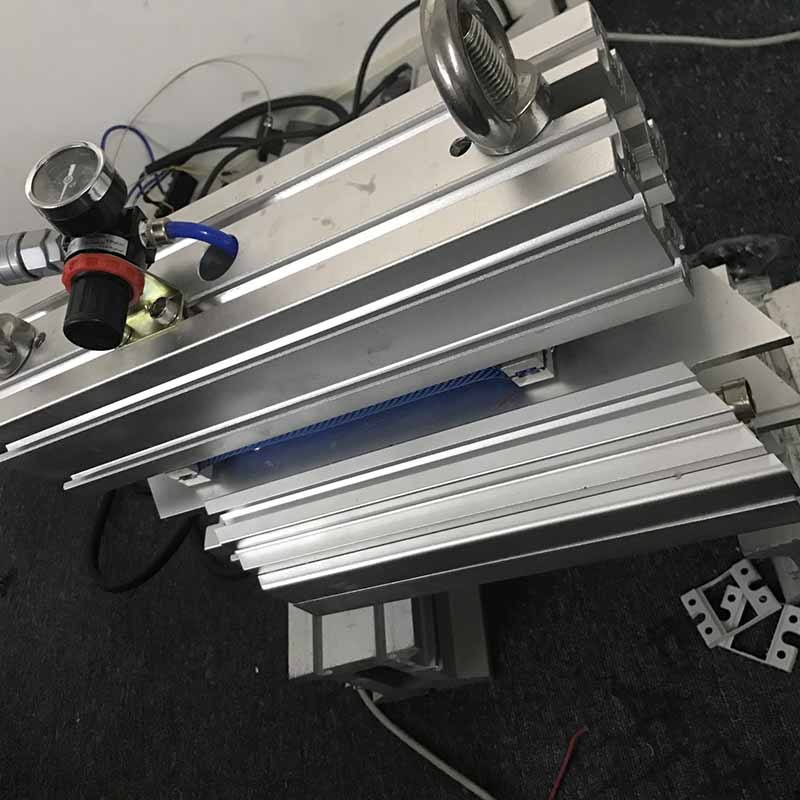
Troubleshooting Common Conveyor Belt Vulcanizer Problems
Table of Contents
- 1. Introduction to Conveyor Belt Vulcanizers
- 2. Understanding the Vulcanization Process
- 3. Key Components of Conveyor Belt Vulcanizers
- 4. Common Problems Encountered
- 5. Diagnosing Vulcanizer Problems
- 6. Step-by-Step Troubleshooting Guide
- 7. Preventive Maintenance Tips
- 8. When to Call a Professional
- 9. Conclusion
- 10. FAQs about Conveyor Belt Vulcanizers
1. Introduction to Conveyor Belt Vulcanizers
In the **rubber processing industry**, conveyor belt vulcanizers play a crucial role in the production of durable rubber products. These machines utilize heat and pressure to bond rubber surfaces, effectively enhancing their strength and longevity. However, like all machinery, they can encounter problems that may disrupt production. This guide is designed to help you identify and troubleshoot common issues related to conveyor belt vulcanizers, ensuring your operations remain efficient.
2. Understanding the Vulcanization Process
Vulcanization is a chemical process that modifies rubber to improve its elasticity, resilience, and strength. By introducing sulfur or other curatives, the rubber undergoes a transformation that enhances its performance characteristics. Understanding this process is essential for troubleshooting vulcanizer problems, as any deviation from optimal conditions can lead to issues.
3. Key Components of Conveyor Belt Vulcanizers
To effectively troubleshoot vulcanizer issues, it is imperative to familiarize yourself with the key components of these machines:
Heating Elements
Heating elements are responsible for generating the necessary heat for vulcanization. They can be electric or steam-based, depending on the vulcanizer model.
Pressure System
The pressure system maintains the required force on the materials being vulcanized. Proper calibration is critical for effective bonding.
Control Panel
The control panel allows operators to adjust settings such as temperature, pressure, and time. Understanding its functionality is crucial for identifying problems.
Conveyor Belt
The conveyor belt transports materials through the vulcanization process. Any malfunction here can hinder the entire operation.
4. Common Problems Encountered
Despite their robust design, conveyor belt vulcanizers can experience various issues that impede their operation. Below are some of the most common problems:
4.1 Heating Issues
Heating issues often manifest as uneven temperatures across the vulcanization chamber. This can result in improperly cured rubber, leading to product failure. Common causes include:
- **Faulty heating elements**: Worn-out or damaged elements can cause inconsistent heating.
- **Blocked airflow**: Accumulated dust and debris can obstruct air circulation, affecting temperature distribution.
- **Control panel malfunction**: A malfunctioning control panel can fail to provide the correct input for heater management.
4.2 Pressure Problems
Pressure is vital for effective vulcanization. Problems can arise when pressure is either too low or too high:
- **Low pressure**: This can lead to incomplete bonding and compromised product integrity. Causes include leaks in the pressure system or malfunctioning pressure sensors.
- **High pressure**: Excessive pressure can cause material deformation and damage to the vulcanizer itself. This often stems from incorrect calibration or mechanical failures.
4.3 Alignment Issues
Misalignment of the conveyor belt can cause significant operational challenges. Symptoms include:
- **Uneven wear**: If the belt is misaligned, certain areas may wear out faster than others.
- **Operational noise**: A misaligned belt can create unusual noises during operation, indicating a problem that needs addressing.
4.4 Material Compatibility Issues
Using incompatible materials can lead to various problems during vulcanization. Different rubber compounds have unique processing requirements, and failure to match them can result in:
- **Poor adhesion**: Some materials may not bond effectively, leading to product failures.
- **Chemical reactions**: Incompatible materials can react negatively during vulcanization, resulting in defects.
5. Diagnosing Vulcanizer Problems
Effective troubleshooting begins with accurate diagnosis. Follow these steps to identify issues within your conveyor belt vulcanizer:
1. **Visual Inspection**: Regularly inspect the machine for visible signs of wear, damage, or misalignment.
2. **Check Settings**: Ensure that the control panel settings are correctly configured for the materials you are processing.
3. **Monitor Performance**: Keep track of production quality and any deviations from expected outputs.
4. **Consult Documentation**: Refer to the machine's manual for troubleshooting guidelines specific to your model.
6. Step-by-Step Troubleshooting Guide
After diagnosing the problem, proceed with troubleshooting. Follow this structured approach:
Step 1: Identify the Problem
Use the information gathered during the diagnosis phase to pinpoint specific issues, such as heating inconsistencies or pressure discrepancies.
Step 2: Isolate the Component
Once the problem is identified, isolate the component that requires attention. This could be the heating elements, pressure system, or control panel.
Step 3: Perform Repairs
Depending on the identified issue, carry out necessary repairs. This may involve replacing worn components, recalibrating settings, or cleaning blocked areas.
Step 4: Test the System
After performing repairs, conduct tests to ensure that the vulcanizer operates correctly. Monitor performance closely during initial runs to confirm successful resolution.
Step 5: Document Findings
Keep a record of the issues encountered and the steps taken to resolve them. This information can be invaluable for future troubleshooting efforts.
7. Preventive Maintenance Tips
To minimize the likelihood of vulcanizer problems, implement a regular maintenance schedule. Here are some effective preventive measures:
- **Routine Inspections**: Regularly inspect components for signs of wear and tear.
- **Keep the Area Clean**: Ensure that the machine and surrounding area are free of dust and debris to facilitate optimal airflow.
- **Calibration Checks**: Periodically verify that all settings are correctly calibrated according to the manufacturer's specifications.
- **Training for Operators**: Ensure that operators are well-trained in using the vulcanizer and aware of common issues and their solutions.
8. When to Call a Professional
While many issues can be resolved in-house, some situations may require professional intervention. Consider calling in an expert if:
- You are unable to diagnose the problem after following troubleshooting procedures.
- Repairs require specialized knowledge or tools that you do not possess.
- There are persistent issues that reoccur despite your troubleshooting efforts.
9. Conclusion
Understanding and troubleshooting common conveyor belt vulcanizer problems is essential for maintaining efficiency in rubber processing operations. By familiarizing yourself with potential issues, following a structured troubleshooting guide, and implementing preventive maintenance strategies, you can significantly reduce downtime and enhance production quality. Remember, staying proactive in machine care can lead to better performance and longer equipment life.
10. FAQs about Conveyor Belt Vulcanizers
1. What are the signs of an overheating vulcanizer?
Signs include unusual smells, smoke, or a sudden drop in product quality.
2. How often should I conduct maintenance on my vulcanizer?
A regular maintenance schedule should be established, typically every few months, depending on usage.
3. Can I use different rubber compounds in the same vulcanizer?
It is essential to ensure compatibility between rubber compounds to avoid issues during the vulcanization process.
4. What should I do if the vulcanizer is not heating?
Check the heating elements, control panel settings, and electrical connections first.
5. Why is proper alignment crucial for conveyor belts?
Proper alignment ensures even wear, operational efficiency, and enhances the lifespan of both the conveyor belt and the vulcanizer.
PREVIOUS:
Related Blog

Meet LOYICN Sales Team Members: Your Reliable Global Business Partners
Meet LOYICN Sales Team Members
Portable On-Site Conveyor Belt Splicing Machine for Sale
Portable On-Site Conveyor Belt Splicing Machine for Sale
Contact Us
E-mail :
sales@loyicn.com
Phone/WhatsApp:
+86-15089190217
Address:
2110, Building 2, 1st HaGongDa Road,TangJiaWan Town, GaoXin District, Zhuhai,Guangdong 519085