

Key Applications for Conveyor Belt Vulcanizing Press in Various Industries
Key Applications for Conveyor Belt Vulcanizing Press in Various Industries Introduction to Conveyor Belt Vulcanizing Presses In the vast landscape of industrial machinery, **conveyor belt vulcanizing presses** stand out as critical equipment, particularly in sectors that rely heavily on conveyor systems. These presses are primarily used for the **vulcanization of conveyor belts**, which is a pro
Dec 25,2025
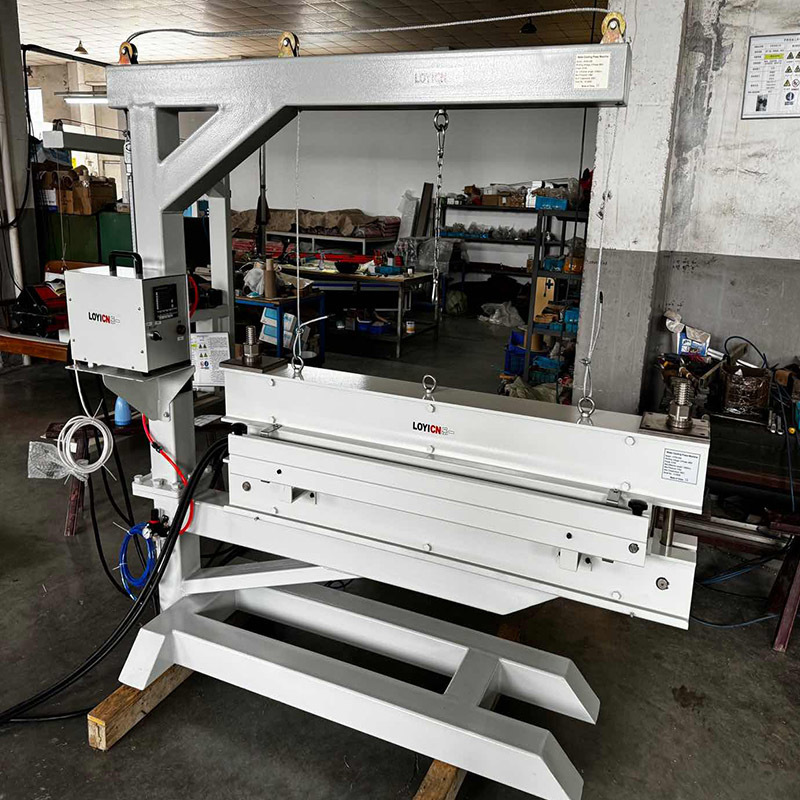
Key Applications for Conveyor Belt Vulcanizing Press in Various Industries
Introduction to Conveyor Belt Vulcanizing Presses
In the vast landscape of industrial machinery, **conveyor belt vulcanizing presses** stand out as critical equipment, particularly in sectors that rely heavily on conveyor systems. These presses are primarily used for the **vulcanization of conveyor belts**, which is a process that enhances their strength and durability. This article explores the various applications of vulcanizing presses in different industries, detailing how they contribute to operational efficiency and safety.
The Importance of Vulcanization in Conveyor Belts
Vulcanization is a chemical process that involves heating rubber in the presence of sulfur, resulting in improved elasticity and durability. It transforms raw rubber into a robust material capable of withstanding harsh conditions. **Conveyor belts** undergo this treatment to ensure they can handle heavy loads, resist wear and tear, and maintain their performance over time.
Understanding Conveyor Belt Types and Their Uses
Before diving into specific applications, it’s essential to understand the various types of conveyor belts and their respective functions.
1. Fabric Conveyor Belts
These belts are made from woven fabrics and are suitable for medium-duty applications. They are commonly used in manufacturing plants and packaging lines.
2. Steel Cord Conveyor Belts
Designed for heavy-duty operations, these belts are reinforced with steel cords, making them ideal for mining and bulk material handling.
3. Modular Conveyor Belts
These belts consist of interlocking modules and are highly versatile, used in food processing, pharmaceuticals, and logistics.
Key Industries Using Conveyor Belt Vulcanizing Presses
Conveyor belt vulcanizing presses have found widespread applications across various sectors due to their ability to enhance conveyor performance.
1. Mining and Quarrying
In the mining industry, conveyor belts are essential for transporting mined materials from extraction sites to processing plants. The rigorous conditions of mining necessitate the use of **vulcanized belts**, which are less prone to damage and can handle the heavy loads typical in this sector. Vulcanizing presses allow for quick repairs and maintenance of these belts, minimizing downtime and maximizing productivity.
2. Manufacturing and Assembly Lines
In manufacturing, especially in automotive and electronics, conveyor belts streamline assembly processes. Vulcanizing presses ensure that these belts can operate continuously without frequent breakdowns. The efficiency gained from using well-maintained, vulcanized belts contributes directly to production output and workplace safety.
3. Food Processing Industry
Food processing facilities require hygienic and durable conveyor belts to transport products. Vulcanizing presses help in creating belts that meet stringent health and safety standards while ensuring the longevity necessary for high-volume operations. The ability to quickly replace or repair these belts makes vulcanizing presses invaluable in this industry.
4. Logistics and Warehousing
In logistics, conveyor belts are used extensively for sorting and transporting goods. The durability provided by vulcanization helps in reducing operational costs associated with frequent belt replacements. Efficiently maintained belts enhance the speed of operations, ensuring timely deliveries.
5. Construction Industry
Conveyor belts transport materials such as sand, gravel, and concrete on construction sites. Vulcanizing presses ensure these belts can endure the punishing conditions of construction work, thus preventing costly downtime and enhancing overall project efficiency.
The Process of Vulcanization and Its Benefits
Understanding the vulcanization process is crucial in appreciating its benefits to industries. The process generally involves the following steps:
1. Preparation of the Rubber
The rubber is compounded with sulfur and other additives to enhance its properties before being placed in the vulcanizing press.
2. Heating and Pressure Application
The prepared rubber is subjected to heat and pressure in the vulcanizing press, allowing the sulfur to create cross-links between the rubber molecules. This stage is critical for achieving the desired strength and elasticity.
3. Cooling and Finishing
After the vulcanization process, the rubber is cooled and finished to ensure it meets the required specifications. This final product is then ready for installation on conveyor systems.
Advantages of Using Vulcanizing Presses
Utilizing conveyor belt vulcanizing presses offers several advantages that contribute to the efficiency and safety of industrial operations.
1. Increased Durability
Vulcanized belts are significantly more durable than non-vulcanized ones, allowing for extended use under heavy loads and abrasive conditions.
2. Cost Efficiency
While the initial investment in vulcanizing equipment may be substantial, the long-term savings through reduced downtime and lower replacement costs are considerable.
3. Safety Enhancements
Properly vulcanized belts reduce the risk of failure during operation, thereby enhancing workplace safety for employees and equipment.
4. Customization Options
Vulcanizing presses allow for customization of conveyor belts to meet specific industry requirements, such as food-grade materials or specialized coatings for enhanced grip.
Frequently Asked Questions (FAQs)
1. What is the lifespan of a vulcanized conveyor belt?
The lifespan can vary significantly based on usage and conditions, but properly maintained vulcanized belts can last from 5 to 20 years.
2. How often should conveyor belts be vulcanized?
It depends on usage. Regular inspections can help determine the need for vulcanization based on wear and tear.
3. Can vulcanizing presses repair any type of conveyor belt?
Most vulcanizing presses can repair various types of belts, but the effectiveness may depend on the belt's material and condition.
4. Is vulcanization environmentally friendly?
While the vulcanization process involves chemicals, modern presses are designed to minimize environmental impact, and the longevity of the belts reduces waste.
5. What factors influence the cost of vulcanization?
Factors include the type of conveyor belt, the extent of repairs needed, and the specific industry requirements.
Conclusion
In conclusion, **conveyor belt vulcanizing presses** play an indispensable role across multiple industries by enhancing the durability, safety, and efficiency of conveyor belts. Their ability to quickly repair and maintain belts minimizes downtime and maximizes productivity, making them a valuable asset in sectors such as mining, manufacturing, logistics, and food processing. By investing in high-quality vulcanization processes, industries can ensure their conveyor systems operate at peak performance, ultimately leading to increased profitability and safety.
PREVIOUS:
Related Blog

Cutter up to Belt Wide 2000 mm with a Rewinder
Cutter up to Belt Wide 2000 mm with a Rewinder Conveyor Belt Slitter Cutter up to BW=2000 mm with a Winder
Contact Us
E-mail :
sales@loyicn.com
Phone/WhatsApp:
+86-15089190217
Address:
2110, Building 2, 1st HaGongDa Road,TangJiaWan Town, GaoXin District, Zhuhai,Guangdong 519085