

The Impact of Temperature Regulation on Hot Press Conveyor Belt Vulcanizers: A Comprehensive Analysis
The Impact of Temperature Regulation on Hot Press Conveyor Belt Vulcanizers: A Comprehensive Analysis Table of Contents Introduction to Hot Press Conveyor Belt Vulcanizers Understanding Vulcanization and Its Importance The Role of Temperature Control in Vulcanization Hot Press Conveyor Belt Vulcanizers: An Overview Mechanisms of Temperature Control in Vulcanizers Effects o
Dec 31,2025
The Impact of Temperature Regulation on Hot Press Conveyor Belt Vulcanizers: A Comprehensive Analysis
Table of Contents
- Introduction to Hot Press Conveyor Belt Vulcanizers
- Understanding Vulcanization and Its Importance
- The Role of Temperature Control in Vulcanization
- Hot Press Conveyor Belt Vulcanizers: An Overview
- Mechanisms of Temperature Control in Vulcanizers
- Effects of Temperature Variations on Vulcanization
- Best Practices for Effective Temperature Control
- Modern Technologies in Temperature Regulation
- Conclusion
- Frequently Asked Questions
Introduction to Hot Press Conveyor Belt Vulcanizers
In the realm of **rubber processing machinery**, hot press conveyor belt vulcanizers stand out as critical components in the production of high-quality rubber products. These machines utilize heat and pressure to cure rubber, transforming it into a durable and elastic material. However, the success of this process hinges significantly on **temperature regulation**. Understanding the intricate relationship between temperature control and vulcanization efficiency is essential for industry professionals aiming to enhance productivity and product quality.
Understanding Vulcanization and Its Importance
Vulcanization is a chemical process that involves the cross-linking of polymer chains in rubber, which enhances its properties such as elasticity, strength, and resistance to aging. Without effective vulcanization, rubber products would be inadequate for various applications, leading to failures in performance and durability.
The vulcanization process typically involves heating rubber along with sulfur and other additives, which facilitate the cross-linking of the polymer chains. The precise temperature and duration of heating are crucial; too low a temperature can result in incomplete curing, while excessive heat may degrade the rubber properties.
The Role of Temperature Control in Vulcanization
Temperature control is vital in achieving optimal vulcanization. The right temperature ensures that the chemical reactions necessary for curing occur efficiently and uniformly. Inadequate temperature management can lead to inconsistent product quality, increased production costs, and higher waste rates.
Effective temperature control systems contribute to:
1. **Uniform Heating**: Ensuring that all parts of the rubber are exposed to the same temperature, which leads to consistent curing.
2. **Energy Efficiency**: Reducing energy consumption by maintaining optimal temperatures without overheating.
3. **Quality Assurance**: Minimizing defects in rubber products that could arise from uneven vulcanization.
Hot Press Conveyor Belt Vulcanizers: An Overview
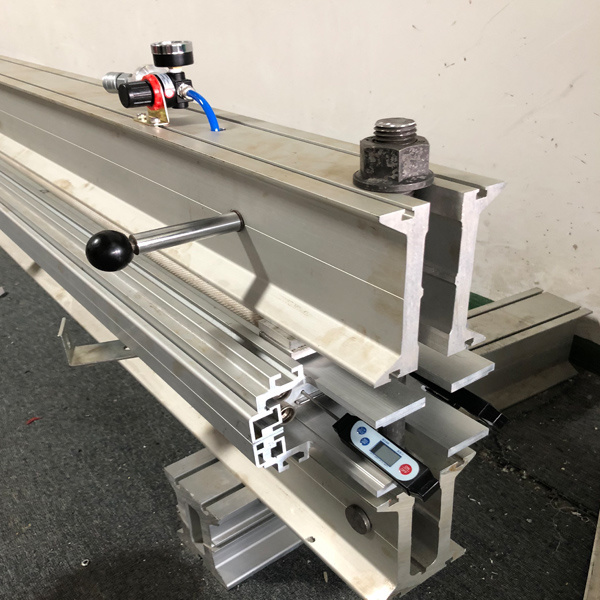
Hot press conveyor belt vulcanizers are designed to streamline the vulcanization process by incorporating a conveyor system that allows for continuous production. These machines utilize heated platens that apply pressure to the rubber as it travels through the press, facilitating a uniform curing process.
The benefits of using conveyor belt vulcanizers include:
- **Increased Throughput**: Continuous operation leads to higher output rates.
- **Reduced Labor Costs**: Automation minimizes the need for manual intervention.
- **Improved Consistency**: Automation promotes uniform heating and curing of rubber products.
Mechanisms of Temperature Control in Vulcanizers
Temperature control in hot press conveyor belt vulcanizers can be achieved through various mechanisms, including:
1. **Thermostatic Controls**: These systems utilize sensors to monitor temperature and adjust heating elements accordingly, ensuring that the desired temperature is maintained throughout the process.
2. **Infrared Heating**: An advanced heating method that uses infrared radiation to rapidly heat the rubber, promoting faster curing times and energy savings.
3. **Heat Transfer Fluids**: Using oils or other fluids that circulate through the heating elements allows for consistent and efficient temperature distribution across the press platens.
4. **PID Controllers**: Proportional-Integral-Derivative (PID) controllers can fine-tune temperature adjustments based on real-time monitoring, leading to enhanced control over the curing process.
Effects of Temperature Variations on Vulcanization
Temperature variations during the vulcanization process can have detrimental effects on rubber properties and product quality. Some common effects include:
- **Incomplete Curing**: If the temperature is too low, the rubber may not cure properly, resulting in a product that lacks strength and resilience.
- **Degradation**: Excessive heat can break down rubber compounds, leading to brittleness and a loss of elasticity.
- **Uneven Surface Finish**: Fluctuations in temperature can cause uneven curing, resulting in visual defects and performance issues in the final product.
Understanding these potential issues highlights the importance of maintaining stable temperature control throughout the vulcanization process.
Best Practices for Effective Temperature Control
To optimize temperature control in hot press conveyor belt vulcanizers, consider implementing the following best practices:
1. **Regular Calibration**: Ensure that temperature sensors and control systems are regularly calibrated to maintain accuracy.
2. **Routine Maintenance**: Conduct regular maintenance checks on heating elements, conveyor belts, and control systems to prevent equipment failures that could affect temperature regulation.
3. **Invest in Quality Equipment**: Utilize high-quality temperature control systems that offer precise adjustments and monitoring capabilities.
4. **Employee Training**: Train operators on the importance of temperature control and how to respond to fluctuations in real-time.
5. **Data Monitoring and Analysis**: Implement data logging systems to monitor temperature trends and identify areas for improvement.
Modern Technologies in Temperature Regulation
Advancements in technology have revolutionized temperature regulation in hot press conveyor belt vulcanizers. Some modern innovations include:
- **IoT Integration**: The Internet of Things (IoT) allows for remote monitoring and control of temperature settings, enhancing responsiveness to changes in the production environment.
- **Machine Learning Algorithms**: Utilizing machine learning can optimize temperature control by predicting the required adjustments based on historical data and current conditions.
- **Smart Sensors**: Advanced sensors provide real-time feedback on temperature fluctuations, enabling immediate corrective actions to maintain optimal conditions.
These technologies not only enhance temperature management but also contribute to improved overall efficiency and product quality.
Conclusion
The relationship between temperature control and hot press conveyor belt vulcanizers is a critical aspect of rubber processing that directly influences product quality and operational efficiency. By understanding the importance of precise temperature management, implementing best practices, and leveraging modern technologies, industry professionals can optimize their vulcanization processes. Achieving consistent and high-quality rubber products not only enhances customer satisfaction but also drives profitability in an increasingly competitive market.
Frequently Asked Questions
1. What is vulcanization?
Vulcanization is a chemical process that cross-links polymer chains in rubber, enhancing its properties such as strength, elasticity, and durability.
2. Why is temperature control important in vulcanization?
Temperature control is crucial in vulcanization to ensure uniform curing, reduce defects, and maintain the desired characteristics of rubber products.
3. What are the common methods of temperature control in hot press vulcanizers?
Common methods include thermostatic controls, infrared heating, heat transfer fluids, and PID controllers.
4. How does temperature variation affect rubber quality?
Temperature variations can lead to incomplete curing, degradation of rubber properties, and uneven surface finishes, affecting overall product quality.
5. What are some best practices for maintaining temperature control?
Best practices include regular calibration of sensors, routine maintenance, investing in quality equipment, employee training, and data monitoring.
By adhering to these guidelines, manufacturers can enhance their production processes and ensure consistent quality in their rubber products.
Related Blog

Cutter up to Belt Wide 2000 mm with a Rewinder
Cutter up to Belt Wide 2000 mm with a Rewinder Conveyor Belt Slitter Cutter up to BW=2000 mm with a Winder
Contact Us
E-mail :
sales@loyicn.com
Phone/WhatsApp:
+86-15089190217
Address:
2110, Building 2, 1st HaGongDa Road,TangJiaWan Town, GaoXin District, Zhuhai,Guangdong 519085