

Best Practices for Operating Steel Cord Rubber Conveyor Belt Vulcanizers
Best Practices for Operating Steel Cord Rubber Conveyor Belt Vulcanizers Introduction to Steel Cord Rubber Conveyor Belt Vulcanizers Operating steel cord rubber conveyor belt vulcanizers is a critical task in the manufacturing and processing industries, particularly in sectors that rely on robust materials for heavy-duty applications. Vulcanization enhances the durability and elasticity of rubber,
Jan 09,2026
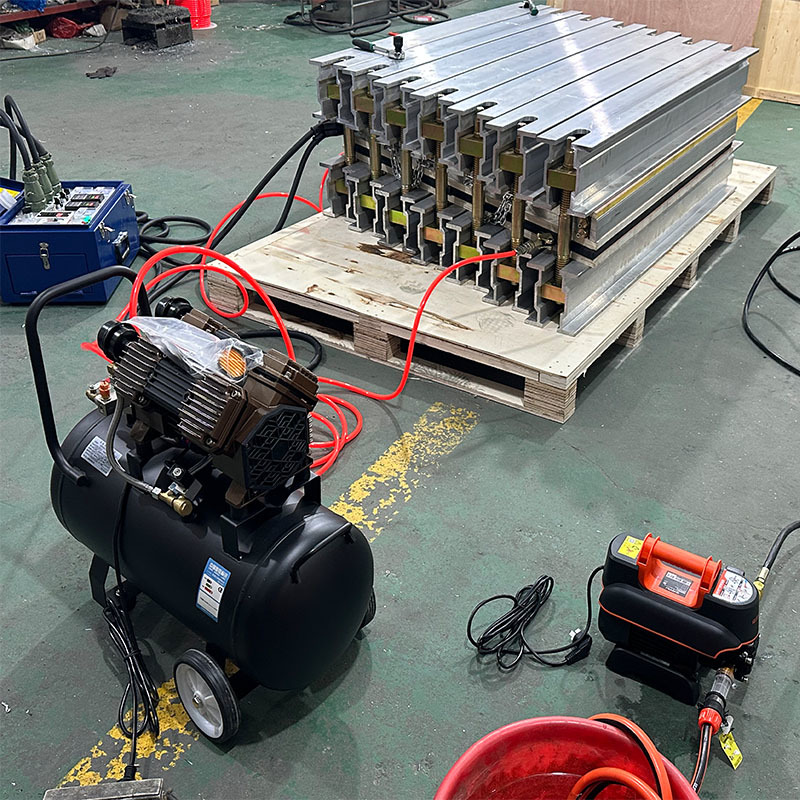
Best Practices for Operating Steel Cord Rubber Conveyor Belt Vulcanizers
Introduction to Steel Cord Rubber Conveyor Belt Vulcanizers
Operating steel cord rubber conveyor belt vulcanizers is a critical task in the manufacturing and processing industries, particularly in sectors that rely on robust materials for heavy-duty applications. Vulcanization enhances the durability and elasticity of rubber, making it an essential process for conveyor belts used in various industries such as mining, agriculture, and manufacturing. Understanding the best practices for operating these machines can significantly improve efficiency, ensure safety, and extend the lifespan of the equipment.
Understanding the Vulcanization Process
What is Vulcanization?
Vulcanization is a chemical process that involves heating rubber in the presence of sulfur or other curatives to create cross-links between polymer chains. This process transforms raw rubber into a material that is more elastic, weather-resistant, and durable.
The Importance of Steel Cord in Conveyor Belts
Steel cords provide additional strength and support to rubber conveyor belts, making them capable of handling heavy loads and operating in abrasive environments. The combination of steel cords and vulcanized rubber results in a superior product that can withstand tension, impact, and wear over extended periods.
Key Components of Steel Cord Rubber Conveyor Belt Vulcanizers
Heating Elements
Heating elements are crucial in the vulcanization process, as they maintain the required temperature for optimal curing. Proper maintenance and calibration of these elements ensure uniform heat distribution, preventing localized overheating or undercuring.
Control Systems
Modern vulcanizers come equipped with advanced control systems that allow for precise monitoring and adjustment of temperature, pressure, and time settings. Familiarity with these systems is essential for operators to ensure that the vulcanization process runs smoothly.
Pressure Mechanisms
Pressure is vital in the vulcanization process, as it influences the quality of the bond between the steel cords and rubber. Operators must ensure that the pressure settings are appropriate for the type of conveyor belt being processed.
Best Practices for Operating Vulcanizers
1. Regular Maintenance and Inspection
To ensure optimal performance, it is imperative to conduct regular maintenance checks on the vulcanizer. This includes inspecting heating elements, control systems, and pressure mechanisms. Any signs of wear or malfunction should be addressed promptly to prevent costly downtime.
2. Proper Calibration of Temperature and Pressure
Operators must calibrate temperature and pressure settings according to manufacturer specifications. Each type of rubber and steel cord combination may require different vulcanization parameters. Failing to adhere to these specifications can lead to inadequate vulcanization and compromised belt integrity.
3. Training and Skill Development
Investing in training for operators is crucial. Personnel should be well-versed in the operation of vulcanizers, including understanding control systems and the vulcanization process. Regular training updates will keep skills sharp and knowledge current.
4. Safety Precautions
Safety should always be a priority when operating vulcanizers. Operators should wear appropriate personal protective equipment (PPE) and be familiar with emergency shutdown procedures. Additionally, ensuring that the workspace is free from hazards will create a safer operating environment.
5. Monitoring Production Quality
Implementing a quality control system to monitor the vulcanization process is critical. Regularly inspecting finished conveyor belts for defects, such as uneven curing or adhesion issues, can help detect problems early and prevent major losses.
6. Documentation and Record Keeping
Keeping detailed records of vulcanization processes, including temperature and pressure settings, batch numbers, and inspection results, is essential for accountability and quality assurance. This documentation can also be valuable for troubleshooting future issues.
7. Optimizing Workflow
Efficiently organizing workflow around the vulcanization process can enhance productivity. This includes scheduling regular maintenance during non-peak hours, ensuring that materials are readily available, and minimizing downtime between batches.
8. Handling Materials with Care
Proper handling of rubber and steel cords before they are placed into the vulcanizer can prevent contamination and damage. Always follow manufacturer recommendations for storage and handling to maintain material integrity.
Common Challenges and Solutions
Identifying Common Issues in Vulcanization
Even experienced operators may encounter challenges during the vulcanization process. Common issues include uneven curing, poor adhesion between rubber and steel cords, and overheating.
Solutions to Overcome Vulcanization Problems
- **Uneven Curing:** Ensure that the heating elements are evenly calibrated and functioning correctly. Regular maintenance checks can help identify any issues before they escalate.
- **Poor Adhesion:** This could be a result of inadequate surface preparation. Ensure that steel cords are cleaned properly before they are coated with rubber.
- **Overheating:** Monitor temperature settings and adjust them based on real-time feedback from the control system to prevent damage to both the rubber and the steel cords.
FAQs about Operating Steel Cord Rubber Conveyor Belt Vulcanizers
1. What is the ideal temperature for vulcanizing steel cord rubber conveyor belts?
The ideal temperature typically ranges from 140°C to 180°C, depending on the specific rubber compound and manufacturer’s specifications.
2. How often should maintenance be performed on vulcanizers?
Regular maintenance should be performed at least once a month, with more frequent inspections during high production periods.
3. What safety equipment is essential for operators?
Operators should wear heat-resistant gloves, protective eyewear, and steel-toed boots as part of their PPE.
4. Can different rubber compounds be used interchangeably in vulcanizers?
No, each rubber compound has specific vulcanization parameters. It is essential to follow the manufacturer’s guidelines for each material.
5. What are the signs of a malfunctioning vulcanizer?
Signs may include unusual noises, inconsistent temperature readings, or visible damage to the rubber or steel cords after vulcanization.
Conclusion
In summary, operating steel cord rubber conveyor belt vulcanizers requires a combination of technical knowledge, practical skills, and adherence to best practices. By focusing on regular maintenance, proper calibration, and ongoing training, operators can enhance productivity and ensure the longevity of their equipment. Implementing these best practices not only improves the quality of the final product but also contributes to a safer and more efficient working environment. With the right approach, your vulcanization process can achieve optimal results, paving the way for successful operations in various industries.
Related Blog

Meet LOYICN Sales Team Members: Your Reliable Global Business Partners
Meet LOYICN Sales Team Members
Portable On-Site Conveyor Belt Splicing Machine for Sale
Portable On-Site Conveyor Belt Splicing Machine for Sale
Contact Us
E-mail :
sales@loyicn.com
Phone/WhatsApp:
+86-15089190217
Address:
2110, Building 2, 1st HaGongDa Road,TangJiaWan Town, GaoXin District, Zhuhai,Guangdong 519085