

Understanding the Science Behind Conveyor Belt Vulcanizing Presses
Understanding the Science Behind Conveyor Belt Vulcanizing Presses Table of Contents What is Vulcanization? The Importance of Vulcanizing Presses in the Industry How Conveyor Belt Vulcanizing Presses Work Components of a Vulcanizing Press Types of Vulcanizing Presses Benefits of Vulcanized Conveyor Belts Maintenance and Care for Vulcanizing Presses The Future of Vulcanization Tech
Jan 24,2026
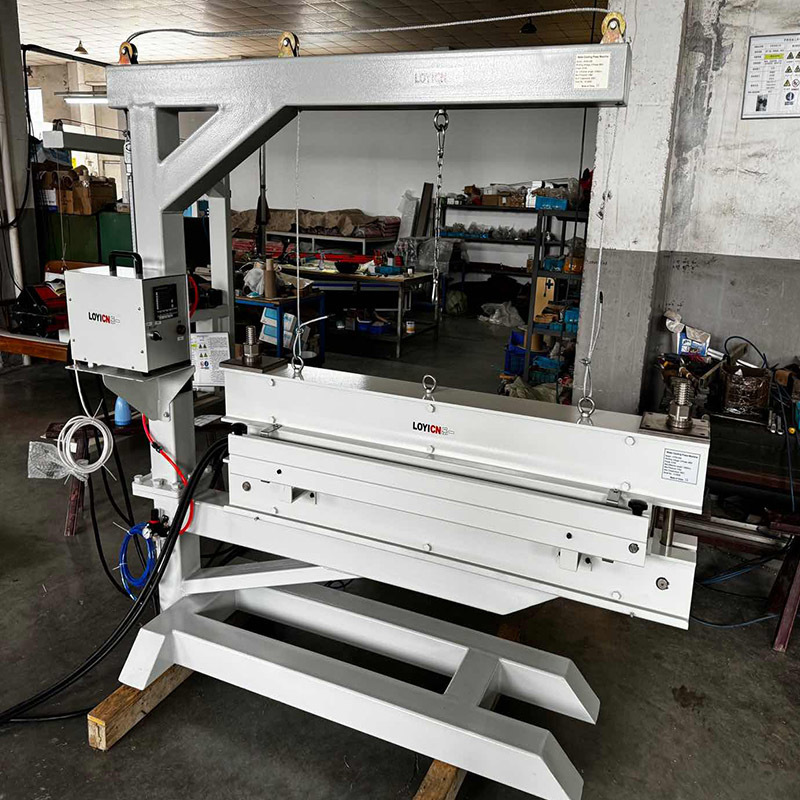
Understanding the Science Behind Conveyor Belt Vulcanizing Presses
Table of Contents
- What is Vulcanization?
- The Importance of Vulcanizing Presses in the Industry
- How Conveyor Belt Vulcanizing Presses Work
- Components of a Vulcanizing Press
- Types of Vulcanizing Presses
- Benefits of Vulcanized Conveyor Belts
- Maintenance and Care for Vulcanizing Presses
- The Future of Vulcanization Technology
- FAQs
- Conclusion
What is Vulcanization?
Vulcanization is a chemical process that transforms rubber into a more durable material by introducing sulfur or other curatives. This process enhances the elasticity, strength, and thermal stability of rubber, making it suitable for various applications, particularly in industrial settings. The fundamental idea behind vulcanization is the formation of cross-links between polymer chains, which significantly improves the material's properties.
The Importance of Vulcanizing Presses in the Industry
In industries where rubber is a critical component, such as manufacturing conveyor belts, the role of vulcanizing presses cannot be overstated. These machines ensure that the vulcanization process is efficient and effective, resulting in high-quality rubber products that can withstand harsh conditions. Without the proper vulcanizing equipment, businesses risk producing inferior products that may lead to increased downtime and operational costs.
How Conveyor Belt Vulcanizing Presses Work
Conveyor belt vulcanizing presses operate on the principles of heat and pressure to initiate the vulcanization process. The following steps outline how these presses function:
Heating the Rubber
The rubber material is placed in the vulcanizing press, where heat is applied. Typically, the temperature ranges from 140°C to 180°C, depending on the type of rubber and the specific requirements of the application.
Applying Pressure
Simultaneously, the press exerts significant pressure on the rubber. This pressure is crucial as it ensures that the rubber conforms to the shape of the mold and that the sulfur molecules are evenly distributed throughout the rubber matrix.
Cross-Linking Process
As the temperature rises and pressure is maintained, the sulfur atoms form bridges between the rubber molecules. This cross-linking process enhances the properties of the rubber, making it more resilient and suitable for demanding applications.
Components of a Vulcanizing Press
Understanding the components of a vulcanizing press is vital for appreciating its functionality. Key components include:
Heating Plates
These are the surfaces that apply heat to the rubber. They are typically made of high-quality steel to withstand high temperatures and pressures.
Hydraulic System
The hydraulic system provides the necessary pressure to the heating plates, ensuring even and efficient vulcanization.
Control System
A sophisticated control system allows operators to adjust temperature and pressure settings based on the specific requirements of the rubber being processed.
Molds
Molds are used to shape the rubber during the vulcanization process. They can be customized to produce various shapes and sizes of conveyor belts.
Types of Vulcanizing Presses
There are several types of vulcanizing presses, including:
Hydraulic Vulcanizing Presses
These are the most common type, utilizing hydraulic power to apply pressure. They are versatile and can accommodate various rubber products.
Pneumatic Vulcanizing Presses
Pneumatic presses use air pressure to operate. They are generally lighter and more compact, making them suitable for smaller operations.
Electric Vulcanizing Presses
These presses employ electric heating elements, providing precise temperature control, which is beneficial for sensitive rubber materials.
Benefits of Vulcanized Conveyor Belts
Vulcanizing conveyor belts offers numerous advantages, including:
Enhanced Durability
Vulcanized rubber is significantly more durable than untreated rubber. This durability translates into longer-lasting conveyor belts that require less frequent replacements.
Improved Performance
The vulcanization process enhances the rubber's flexibility and resistance to wear, allowing for better performance in demanding environments.
Cost-Effectiveness
Investing in vulcanized conveyor belts can lead to reduced downtime and maintenance costs, ultimately saving businesses money in the long run.
Maintenance and Care for Vulcanizing Presses
Proper maintenance is essential for the longevity and efficiency of vulcanizing presses. Key maintenance practices include:
Regular Inspection
Conduct routine checks on all mechanical components to identify wear and tear before it becomes a significant issue.
Cleaning
Keep the press clean from any debris or rubber residue to ensure optimal performance.
Calibration
Regularly calibrate the temperature and pressure settings to maintain consistent vulcanization quality.
The Future of Vulcanization Technology
The future of vulcanization technology is promising, with advancements in automation, smart sensors, and eco-friendly materials. These innovations aim to enhance efficiency, reduce energy consumption, and lower the environmental impact of rubber processing.
FAQs
What materials can be vulcanized?
Most commonly, natural rubber, synthetic rubber, and various rubber blends can be vulcanized to improve their properties.
How long does the vulcanization process take?
The duration varies depending on several factors, including the type of rubber and the thickness of the material, but it typically takes between 30 minutes to several hours.
Can vulcanization be reversed?
No, once rubber has been vulcanized, the chemical changes are irreversible, making the rubber more durable.
What safety measures should be taken during vulcanization?
Safety measures include proper ventilation, use of personal protective equipment (PPE), and adherence to operational guidelines to prevent accidents.
How can I choose the right vulcanizing press for my needs?
Selecting the right press involves considering factors such as the type of rubber, the scale of production, and specific application requirements.
Conclusion
Understanding the science behind conveyor belt vulcanizing presses is essential for anyone involved in the rubber processing industry. The critical role of these machines in enhancing the durability and performance of rubber products cannot be overlooked. As technology continues to evolve, we can expect even greater efficiency and sustainability in the vulcanization process, ensuring that businesses can meet the demands of an ever-changing market. By recognizing the importance of vulcanization and investing in high-quality equipment and maintenance, industries can drive productivity and achieve long-term success.
Related Blog

Cutter up to Belt Wide 2000 mm with a Rewinder
Cutter up to Belt Wide 2000 mm with a Rewinder Conveyor Belt Slitter Cutter up to BW=2000 mm with a Winder
Contact Us
E-mail :
sales@loyicn.com
Phone/WhatsApp:
+86-15089190217
Address:
2110, Building 2, 1st HaGongDa Road,TangJiaWan Town, GaoXin District, Zhuhai,Guangdong 519085