

How to Optimize Your Hot Press Conveyor Belt Vulcanizer Setup for Maximum Efficiency
How to Optimize Your Hot Press Conveyor Belt Vulcanizer Setup Table of Contents Introduction Understanding the Vulcanization Process Importance of Optimizing Your Setup Key Components of Hot Press Vulcanizers Steps to Optimize Your Hot Press Conveyor Belt Vulcanizer Setup Proper Material Selection Temperature and Pressure Control Regular Maintenance
Jan 30,2026
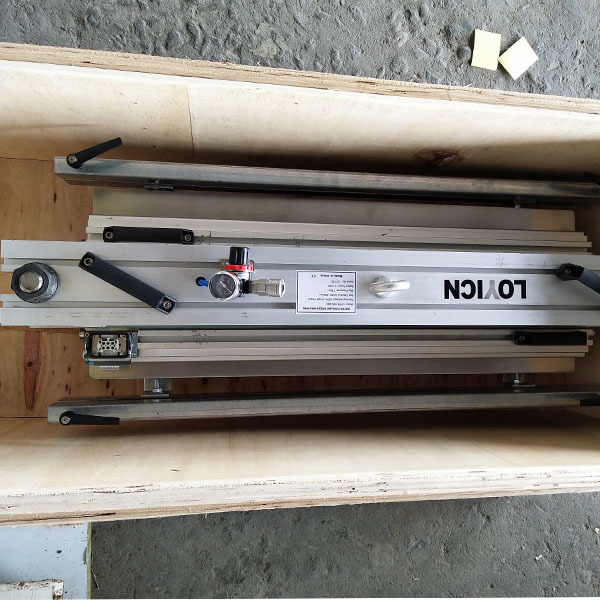
How to Optimize Your Hot Press Conveyor Belt Vulcanizer Setup
Table of Contents
- Introduction
- Understanding the Vulcanization Process
- Importance of Optimizing Your Setup
- Key Components of Hot Press Vulcanizers
- Steps to Optimize Your Hot Press Conveyor Belt Vulcanizer Setup
- Proper Material Selection
- Temperature and Pressure Control
- Regular Maintenance and Inspection
- Monitoring System Performance
- Operator Training and Skills Development
- Common Challenges and Solutions
- Safety Considerations for Vulcanization Processes
- Future Trends in Vulcanization Technology
- Conclusion
- Frequently Asked Questions
Introduction
In the rubber manufacturing industry, the **hot press conveyor belt vulcanizer** plays a pivotal role in producing durable and high-quality rubber products. Optimizing your vulcanizer setup is crucial not only for enhancing productivity but also for ensuring safety and extending the lifespan of your machinery. This article delves into the intricacies of effective setup optimization, aiming to provide you with insights that will elevate your operations to new heights.
Understanding the Vulcanization Process
Vulcanization is a chemical process that transforms raw rubber into a more durable material through the addition of sulfur or other curatives. This reaction leads to the formation of cross-links between polymer chains, which enhances elasticity, resilience, and heat resistance. Understanding this process is essential to grasp the significance of optimizing your hot press conveyor belt vulcanizer setup.
Importance of Optimizing Your Setup
The efficiency of your hot press conveyor belt vulcanizer directly impacts production quality, operational costs, and equipment longevity. An optimized setup ensures:
- **Consistent Quality**: Achieves uniform vulcanization, leading to high-quality end products.
- **Reduced Downtime**: Minimizes equipment malfunction and maintenance interruptions.
- **Energy Efficiency**: Lowers energy consumption, directly affecting your costs.
- **Safety Compliance**: Ensures adherence to safety standards, minimizing workplace hazards.
Key Components of Hot Press Vulcanizers
Understanding the main components of your hot press vulcanizer can significantly impact your optimization efforts. Key components include:
Heating Plates
Heating plates provide the necessary thermal energy for vulcanization. Their design and material affect heat distribution and efficiency.
Pressure System
A robust pressure system ensures that the specified pressure is maintained throughout the vulcanization process, affecting the quality of the final product.
Control System
Modern control systems allow for precise adjustments to temperature and pressure, ensuring optimal conditions for vulcanization.
Conveyor System
The conveyor mechanism transports materials through the vulcanization process, and its speed and alignment are critical for maintaining process consistency.
Steps to Optimize Your Hot Press Conveyor Belt Vulcanizer Setup
Proper Material Selection
Selecting the right materials is the first step in optimizing your hot press setup. Ensure that the rubber compounds are appropriate for your specific application. Consult with suppliers to understand which materials will yield the best results in terms of durability, elasticity, and heat resistance.
Temperature and Pressure Control
Accurate control of temperature and pressure is vital for successful vulcanization.
- **Calibration**: Regularly calibrate your heating elements to ensure they operate within the desired range.
- **Monitoring**: Utilize advanced monitoring systems to track real-time temperature and pressure, allowing for immediate adjustments as needed.
Regular Maintenance and Inspection
Implement a stringent maintenance schedule to extend the life of your vulcanizer. Regular inspections should include:
- Checking heating elements for wear and tear.
- Inspecting seals and gaskets for leaks.
- Evaluating the pressure system for any signs of malfunction.
Consistent upkeep will help in identifying issues before they escalate, thus minimizing downtime.
Monitoring System Performance
Employ performance monitoring systems to analyze the efficiency of your hot press setup. Look for:
- **Cycle Time Analysis**: Understanding how long each cycle takes can identify bottlenecks.
- **Output Quality Checks**: Regularly test the quality of finished products to identify variances that may indicate issues with the vulcanization process.
Operator Training and Skills Development
Your operators are the backbone of your production process. Invest in comprehensive training programs to ensure that they are knowledgeable about the equipment and the vulcanization process. Key areas of focus should include:
- **Safety Protocols**: Understanding safety measures to mitigate risks.
- **Equipment Operation**: Comprehensive knowledge on operating the vulcanizer efficiently.
- **Troubleshooting Skills**: Training on common issues and their solutions to ensure rapid response to problems.
Common Challenges and Solutions
Even with the best setup, challenges can arise. Here are some common issues and their solutions:
Inconsistent Product Quality
If products vary in quality, it may point to inconsistent temperature or pressure. Ensure that monitoring systems are functioning correctly and that operators are trained to make necessary adjustments.
Frequent Equipment Failures
Regular maintenance can prevent failures. Implement a predictive maintenance strategy that uses data analytics to foresee potential issues.
High Energy Costs
If energy consumption is higher than expected, evaluate your heating and pressure settings. Optimize them to balance quality and energy use.
Safety Considerations for Vulcanization Processes
Safety should always be a priority in vulcanization. Implement the following safety measures:
- **Personal Protective Equipment (PPE)**: Ensure that all operators wear appropriate PPE, including gloves, goggles, and heat-resistant clothing.
- **Emergency Protocols**: Establish clear emergency procedures in case of equipment failure or accidents.
- **Regular Safety Training**: Conduct regular safety drills to prepare staff for any incidents.
Future Trends in Vulcanization Technology
The vulcanization industry is evolving with advances in technology. Key trends include:
- **Automation**: Increased automation in vulcanization processes can enhance precision and efficiency.
- **Smart Technologies**: IoT devices that monitor and analyze process data in real time are becoming commonplace, allowing for proactive adjustments.
- **Sustainable Practices**: The push for eco-friendly materials and processes is gaining momentum, with companies exploring alternative curing methods.
Conclusion
Optimizing your hot press conveyor belt vulcanizer setup is essential for maximizing efficiency, enhancing product quality, and ensuring safety in the workplace. By focusing on proper material selection, precise temperature and pressure control, regular maintenance, and operator training, you can significantly improve your processes and outcomes. Embracing future trends and technology can also provide competitive advantages in an ever-evolving industry.
Frequently Asked Questions
1. What is the ideal temperature for vulcanization?
The ideal temperature varies depending on the rubber compound used but typically ranges between 140°C to 180°C (284°F to 356°F).
2. How often should I perform maintenance checks on my vulcanizer?
It's recommended to conduct maintenance checks at least once a month, with more frequent inspections for high-volume operations.
3. Can I use different types of rubber in the same setup?
Using different types of rubber in the same setup can lead to inconsistent results. It's best to optimize your setup for each specific type of rubber.
4. What safety measures should I implement in my vulcanization process?
Ensure proper PPE is worn, establish emergency protocols, and provide regular safety training for all operators.
5. How can I reduce energy costs associated with vulcanization?
Optimize your heating and pressure settings, invest in energy-efficient equipment, and conduct regular audits to identify excessive energy use.
By following these guidelines and utilizing the information provided, businesses can maximize their hot press conveyor belt vulcanizer setup for ultimate performance and efficiency.
Related Blog

Cutter up to Belt Wide 2000 mm with a Rewinder
Cutter up to Belt Wide 2000 mm with a Rewinder Conveyor Belt Slitter Cutter up to BW=2000 mm with a Winder
Contact Us
E-mail :
sales@loyicn.com
Phone/WhatsApp:
+86-15089190217
Address:
2110, Building 2, 1st HaGongDa Road,TangJiaWan Town, GaoXin District, Zhuhai,Guangdong 519085