

Rubber Splicing Joint Hot Press: Debunking Myths and Uncovering Facts for Optimal Use
Rubber Splicing Joint Hot Press: Myths vs. Facts The rubber splicing joint hot press is a vital piece of machinery in the electrical and mechanical manufacturing industry. It serves a crucial role in the production and repair of rubber materials used in various applications, particularly in the electrical sector. However, despite its importance, there are numerous myths and misconceptions surround
Dec 19,2025
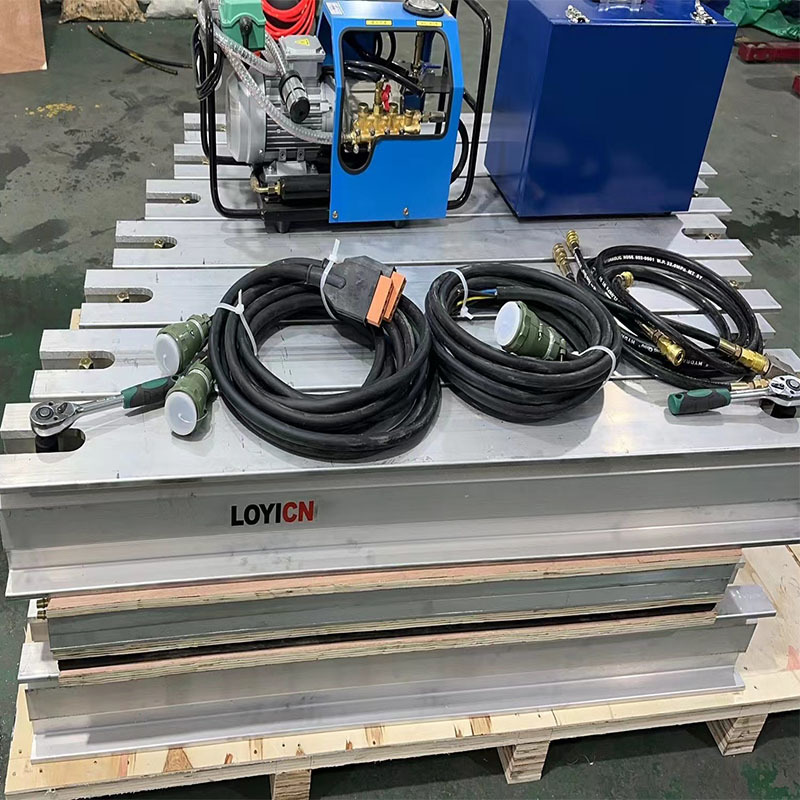
Rubber Splicing Joint Hot Press: Myths vs. Facts
The rubber splicing joint hot press is a vital piece of machinery in the electrical and mechanical manufacturing industry. It serves a crucial role in the production and repair of rubber materials used in various applications, particularly in the electrical sector. However, despite its importance, there are numerous myths and misconceptions surrounding its operation and efficacy. In this article, we aim to clarify these myths and present factual information that can help you optimize your use of rubber splicing joint hot presses.
Table of Contents
1. Understanding Rubber Splicing Joint Hot Presses
2. Common Myths About Rubber Splicing Joint Hot Presses
3. The Science Behind Hot Pressing
4. Essential Components of a Hot Press Machine
5. Benefits of Using a Rubber Splicing Joint Hot Press
6. Best Practices for Operating a Hot Press
7. Troubleshooting Common Issues
8. FAQs about Rubber Splicing Joint Hot Presses
9. Conclusion
1. Understanding Rubber Splicing Joint Hot Presses
Rubber splicing joint hot presses are specialized machines designed to join two pieces of rubber material through the application of heat and pressure. This process not only strengthens the bond between the materials but also ensures a durable and effective splice. These machines are commonly used in the manufacturing of electrical cables, hoses, and various rubber components utilized in multiple industries.
The operation of a hot press is straightforward; however, the technology behind it is sophisticated. By regulating temperature and pressure, manufacturers can achieve optimal splicing results, enhancing the overall quality of their products.
2. Common Myths About Rubber Splicing Joint Hot Presses
As with many specialized industrial processes, myths and misconceptions can emerge. Here, we debunk several common myths associated with rubber splicing joint hot presses:
Myth 1: Hot Presses Only Work on Specific Types of Rubber
This myth suggests that hot presses are limited to use with certain rubber compositions. In reality, hot presses can effectively splice various types of rubber, including natural rubber, synthetic rubber, and specialty blends. Understanding the specific requirements of the rubber material in question is key to achieving successful results.
Myth 2: The Hot Press Process is Complex and Difficult
While there are technical considerations to keep in mind, the hot pressing process itself is quite manageable. With proper training and understanding of the machine’s functions, operators can efficiently utilize the hot press without excessive difficulty.
Myth 3: Hot Pressed Joints are Weaker than Other Bonding Methods
Another misconception is that hot pressed joints are inherently weaker than those created through other bonding methods. Contrary to this belief, hot pressing often results in a joint that is stronger and more reliable than joints created using cold bonding techniques. The combination of heat and pressure facilitates better material fusion.
3. The Science Behind Hot Pressing
At the core of the hot pressing process is a scientific principle involving thermodynamics. Heat causes the rubber molecules to become more active, allowing them to flow and interlock in a way that creates a stronger bond. The pressure applied during the process aids in this interlocking, ensuring a tight and secure joint.
The ideal temperature and pressure settings can vary based on the type of rubber used and the specific application, making it essential for operators to have a deep understanding of the materials involved.
4. Essential Components of a Hot Press Machine
Understanding the components of a rubber splicing joint hot press is critical for anyone operating or maintaining this machine. Here are the key elements:
Heating Plates
The heating plates are designed to apply heat uniformly across the rubber materials being spliced. They are typically made from materials that conduct heat efficiently.
Pressure System
The pressure system is responsible for applying the necessary force during the splicing process. This may include hydraulic or mechanical systems that ensure consistent pressure is maintained.
Control Panel
The control panel allows operators to set the desired temperature and pressure levels, monitor the process, and make adjustments as necessary.
Cooling System
Once the hot pressing is complete, a cooling system helps to solidify the bond without compromising the integrity of the splice.
5. Benefits of Using a Rubber Splicing Joint Hot Press
The advantages of utilizing a rubber splicing joint hot press are numerous, making it an essential tool in the manufacturing process:
Enhanced Bonding Strength
Hot pressing delivers superior bonding strength compared to cold bonding methods. This means fewer failures and enhanced durability for the final product.
Improved Production Efficiency
The ability to splice rubber quickly and effectively allows manufacturers to streamline their production processes, reducing downtime and increasing output.
Versatility Across Applications
Hot presses can be used for a variety of rubber types and splicing applications, making them a versatile asset in any manufacturing setting.
Cost-Effectiveness
While the initial investment in a hot press may be significant, the long-term savings in terms of material waste and product durability can outweigh the costs.
6. Best Practices for Operating a Hot Press
To ensure optimal performance and longevity of your rubber splicing joint hot press, adhere to the following best practices:
Regular Maintenance Checks
Routine maintenance is critical to keep the hot press in excellent working condition. Check for wear and tear on heating plates and pressure systems.
Training for Operators
Ensure that all operators are thoroughly trained in the operation of the hot press, including safety protocols, to minimize the risk of accidents and improve efficiency.
Monitoring Temperature and Pressure
Always monitor and adjust temperature and pressure settings according to the specifications required for the rubber material being used.
Proper Material Handling
Handle rubber materials with care to prevent contamination and ensure consistent quality during the splicing process.
7. Troubleshooting Common Issues
Even with proper operation, issues may arise. Here are some common problems and their solutions:
Uneven Splices
Cause: This may result from inconsistent pressure or temperature distribution.
Solution: Regularly inspect the heating plates and pressure system for any malfunction or uneven wear.
Weak Joints
Cause: Inadequate heating or pressure can lead to weak joints.
Solution: Ensure that the correct settings are being used for the specific rubber material, and consider conducting tests to verify parameters.
Material Contamination
Cause: Dirt or foreign materials may interfere with the splicing process.
Solution: Maintain a clean workspace and practice good material handling techniques.
8. FAQs about Rubber Splicing Joint Hot Presses
What types of rubber can be used with a hot press?
Hot presses can work with various types of rubber, including natural rubber, synthetic rubber, and specialized formulations.
How long does the hot pressing process take?
The duration of the hot pressing process varies depending on the materials and specifications but typically ranges from a few minutes to an hour.
Is operator training necessary for hot press machines?
Yes, proper training is essential to ensure safe and effective operation, as well as to maximize the quality of the splices.
What maintenance should be performed on a hot press?
Regular checks of the heating plates, pressure systems, and control panel are necessary, along with cleaning and lubrication of moving parts.
Can hot presses be used for repairs?
Yes, hot presses are often used for both manufacturing and repair applications, allowing for effective splicing of damaged rubber components.
9. Conclusion
In conclusion, understanding the myths and facts about rubber splicing joint hot presses is essential for manufacturers and engineers alike. By debunking common misconceptions and recognizing the benefits and best practices associated with these machines, we empower users to make informed decisions that enhance the quality and efficiency of their production processes. Investing in a rubber splicing joint hot press can lead to superior product quality, increased production efficiency, and long-term cost savings, making it an invaluable asset in the electrical and mechanical manufacturing industries.
Related Blog

Automatic PVC PU Conveyor Belt Finger Punch Machine
LOYICN Automatic PVC PU Conveyor Belt Finger Punch Machine belongs to LYAPXX series products.
Customized Profile Tracking Solutions for Installation PU PU Guide on Conveyor Belts
Customized Profile Tracking Solutions for Installation PU PU Guide on Conveyor Belts
Contact Us
E-mail :
sales@loyicn.com
Phone/WhatsApp:
+86-15089190217
Address:
2110, Building 2, 1st HaGongDa Road,TangJiaWan Town, GaoXin District, Zhuhai,Guangdong 519085