

How to Optimize Production Time with a Vulcanizing Press for Rubber Belts
How to Optimize Production Time with a Vulcanizing Press for Rubber Belts Table of Contents Understanding the Vulcanizing Press: A Key Player in Rubber Processing The Importance of Optimizing Production Time in Rubber Manufacturing Key Factors Affecting Production Time in Vulcanization Best Practices for Using a Vulcanizing Press Efficiently Advanced Techniques for Production
Jan 15,2026
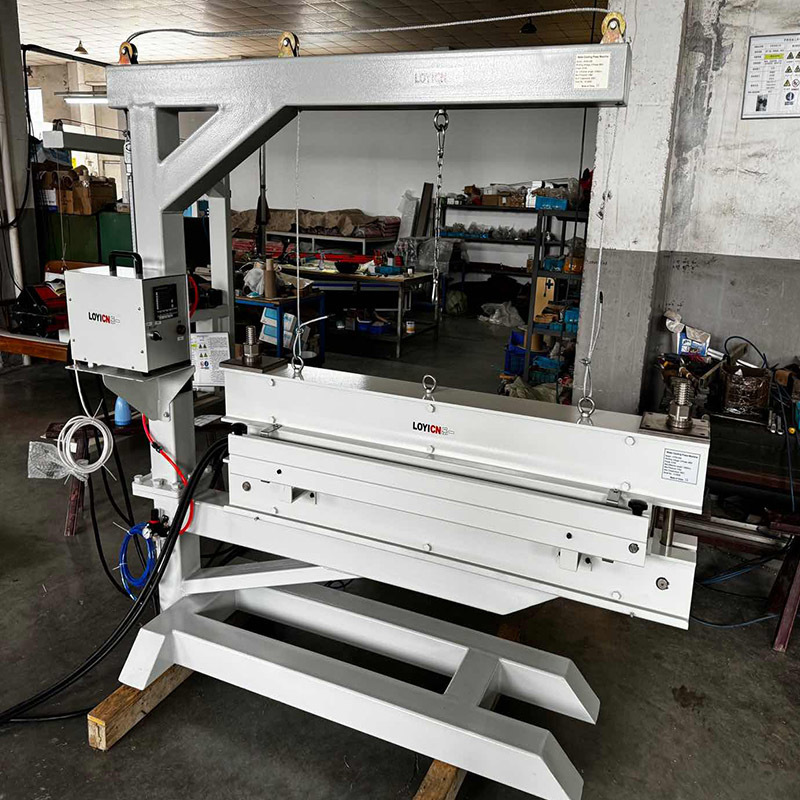
How to Optimize Production Time with a Vulcanizing Press for Rubber Belts
Table of Contents
- Understanding the Vulcanizing Press: A Key Player in Rubber Processing
- The Importance of Optimizing Production Time in Rubber Manufacturing
- Key Factors Affecting Production Time in Vulcanization
- Best Practices for Using a Vulcanizing Press Efficiently
- Advanced Techniques for Production Optimization
- Maintenance and Care for Your Vulcanizing Press
- Case Studies and Success Stories in Vulcanization
- Frequently Asked Questions (FAQ)
Understanding the Vulcanizing Press: A Key Player in Rubber Processing
The vulcanizing press, an essential piece of machinery in the rubber industry, is designed to apply heat and pressure to rubber materials, enabling the chemical reaction necessary for vulcanization. This process transforms raw rubber into a durable and elastic product, ideal for various applications including rubber belts. Understanding how a vulcanizing press operates is crucial for optimizing production time.
What is a Vulcanizing Press?
A vulcanizing press operates by compressing rubber between heated plates. The process requires precise temperature control and timing to ensure the rubber cures correctly. By mastering the operation of a vulcanizing press, manufacturers can significantly reduce production time while enhancing product quality.
Types of Vulcanizing Presses
There are various types of vulcanizing presses, including hydraulic and mechanical presses. Each has its advantages and is suitable for different production needs. Understanding the specific requirements of your rubber belt production process will assist in selecting the right type of press for your operation.
The Importance of Optimizing Production Time in Rubber Manufacturing
In the competitive landscape of rubber manufacturing, efficiency can make or break your success. Optimizing production time not only reduces costs but also increases output and improves customer satisfaction.
Cost Efficiency
Minimizing production time directly correlates with cost savings. A streamlined process reduces labor hours, lowers energy consumption, and allows for a higher volume of output in a shorter timeframe.
Quality Assurance
Efficient production processes help maintain consistent product quality. By optimizing vulcanization times and temperatures, manufacturers can ensure that every rubber belt meets stringent quality standards.
Market Responsiveness
A quick turnaround allows companies to respond swiftly to market demands, providing a competitive edge and fostering customer loyalty.
Key Factors Affecting Production Time in Vulcanization
Several factors can influence production time when using a vulcanizing press for rubber belts.
Temperature Control
Achieving the correct temperature is crucial during the vulcanization process. Inadequate heating can result in improperly cured rubber, while excessive heat can damage the material. Monitoring and adjusting temperature settings is vital for optimizing production efficiency.
Pressure Application
The pressure applied during vulcanization affects the quality and speed of the curing process. Ensuring uniform pressure distribution is essential for achieving consistent results.
Timing
Timing plays a pivotal role in the vulcanization process. Understanding the optimal curing times for different rubber compositions can help streamline production.
Material Quality
The quality of raw materials used in the production of rubber belts significantly impacts the vulcanization process. Lower-quality materials may require longer curing times or yield inferior products.
Best Practices for Using a Vulcanizing Press Efficiently
Implementing best practices is essential for maximizing the efficiency of your vulcanizing press.
Regular Training for Operators
Investing in regular training for the operators of the vulcanizing press is crucial. Skilled operators are more likely to understand the nuances of the equipment, leading to fewer mistakes and faster production times.
Routine Calibration of Equipment
Regularly calibrating the vulcanizing press ensures that it operates at peak efficiency. Calibration helps in maintaining consistent temperature and pressure, directly impacting production time.
Optimizing Production Schedules
Creating a well-structured production schedule allows for efficient use of the vulcanizing press. Grouping similar products together can minimize downtime and enhance workflow.
Advanced Techniques for Production Optimization
Beyond basic practices, advanced techniques can further enhance production efficiency.
Utilizing Automation Technology
Incorporating automation technology into your vulcanizing process can significantly reduce production time. Automated systems can monitor and control temperature, pressure, and timing, allowing for precise adjustments in real-time.
Implementing Lean Manufacturing Principles
Adopting lean manufacturing principles can help identify and eliminate waste in the production process. Streamlining operations and focusing on value-added activities can lead to significant reductions in overall production time.
Data Analysis for Continuous Improvement
Leveraging data analytics to track production performance can provide insights into areas needing improvement. By analyzing production metrics, companies can make informed decisions to enhance efficiency.
Maintenance and Care for Your Vulcanizing Press
Proper maintenance of the vulcanizing press is essential for ensuring long-term performance and reliability.
Scheduled Maintenance Checks
Establishing a routine maintenance schedule helps identify potential issues before they become major problems. Regular inspections can prolong the life of the press and maintain optimal performance.
Cleaning Protocols
Implementing proper cleaning protocols after each production run helps prevent the accumulation of residue that can affect the press's operation. A clean machine operates more efficiently and produces higher-quality rubber belts.
Parts Replacement and Upgrades
Keeping an inventory of essential spare parts ensures that any necessary repairs can be made quickly, minimizing downtime. Additionally, consider upgrading components like heating elements or pressure gauges to enhance performance.
Case Studies and Success Stories in Vulcanization
Examining real-world examples can provide valuable insights into the optimization of vulcanizing processes.
Case Study 1: XYZ Rubber Manufacturers
XYZ Rubber Manufacturers implemented a new scheduling system that grouped similar products for production runs. This approach reduced changeover times by 25%, leading to a significant increase in overall output.
Case Study 2: ABC Industrial Supply
ABC Industrial Supply invested in automation technology for their vulcanizing presses. As a result, they achieved a 30% reduction in production time, allowing them to meet growing customer demands quickly.
Frequently Asked Questions (FAQ)
1. What is the ideal temperature for vulcanizing rubber belts?
The ideal temperature for vulcanizing rubber belts typically ranges between 140°C to 180°C, depending on the specific type of rubber being used.
2. How long does the vulcanization process take?
Vulcanization time can vary based on the rubber composition and thickness of the belts, but it generally takes between 10 to 30 minutes.
3. What maintenance practices should be performed on a vulcanizing press?
Routine checks should include cleaning, lubrication, calibration, and inspection of heating and pressure systems to ensure optimal performance.
4. Can automation improve vulcanization efficiency?
Yes, automation can enhance efficiency by ensuring precise control over temperature and pressure while reducing human error.
5. How can I determine if my vulcanization process is efficient?
Monitoring key performance indicators such as production time, material waste, and product quality can help assess the efficiency of your vulcanization process.
Conclusion
Optimizing production time with a vulcanizing press for rubber belts is essential for achieving operational excellence in the rubber manufacturing industry. By understanding the intricacies of the vulcanization process, implementing best practices, and harnessing advanced techniques, manufacturers can significantly enhance efficiency, reduce costs, and improve product quality. As the market evolves, staying ahead of the curve in production optimization will be key to maintaining a competitive edge in the rubber industry.
Related Blog

Cutter up to Belt Wide 2000 mm with a Rewinder
Cutter up to Belt Wide 2000 mm with a Rewinder Conveyor Belt Slitter Cutter up to BW=2000 mm with a Winder
Contact Us
E-mail :
sales@loyicn.com
Phone/WhatsApp:
+86-15089190217
Address:
2110, Building 2, 1st HaGongDa Road,TangJiaWan Town, GaoXin District, Zhuhai,Guangdong 519085